
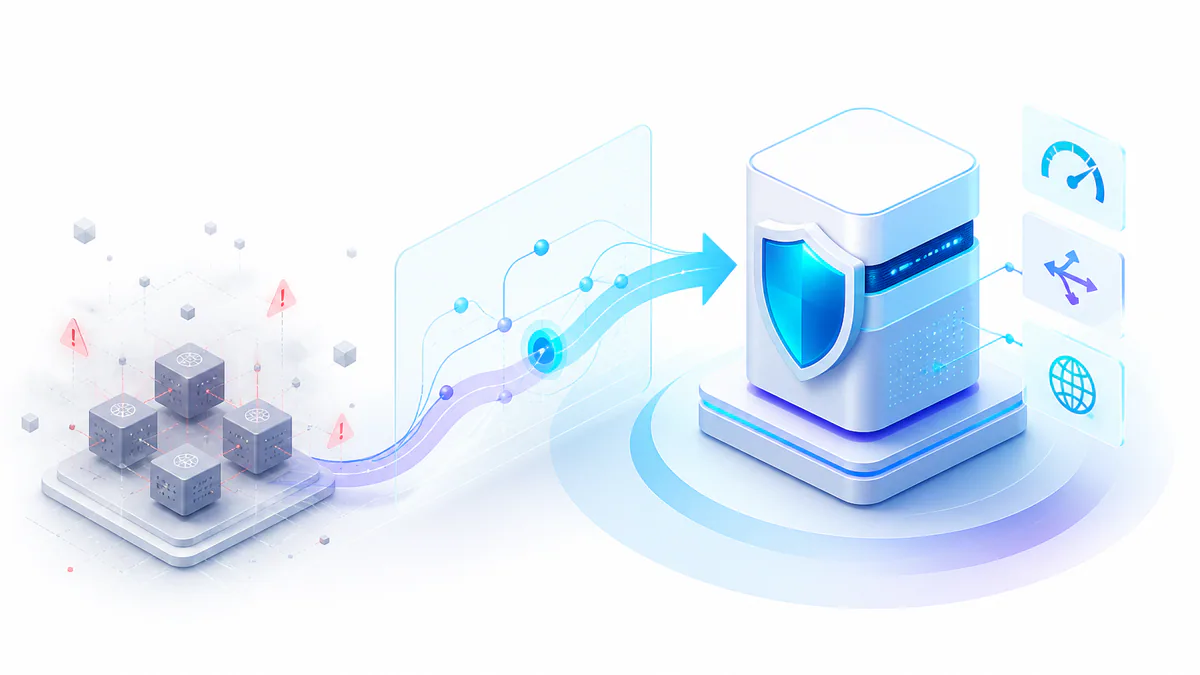
Free SOCKS5 proxies can be useful for basic browsing, simple testing, and low-risk tasks where speed and stability are not critical.
However, free SOCKS5 proxies often fall short when users need reliable performance, stronger security, stable uptime, and support for heavier workloads.
This guide explains the limits of free SOCKS5 proxies, the hidden operational risks, and when it makes sense to upgrade to premium proxy options.
- Free SOCKS5 proxies provide basic anonymity but often suffer from slow speeds and weak uptime.
- Shared free proxy infrastructure can create security, stability, and data exposure risks.
- Premium SOCKS5 proxies offer better speed, encryption, server locations, support, and reliability.
- Upgrading makes sense when proxy delays, downtime, or security concerns affect your workflow.
Introduction: The Promise and Pitfalls of Free SOCKS5 Proxies
Free SOCKS5 proxies can hide your IP address without upfront cost. They are often used by beginners for anonymous browsing, simple web scraping, market research, or accessing geo-restricted content.
The problem is that free options usually compromise speed, stability, and security. Users often experience slow connections, frequent disconnections, weak encryption, and no reliable customer support.
This article explains why free SOCKS5 proxies may not be enough for demanding work and when premium proxy options become the better choice.
Free proxy testing
For light tests, start with the ProxyTitan free proxy list .
Key points:
- Free SOCKS5 proxies cost nothing.
- They provide basic anonymity.
- They often suffer from slow speeds and poor uptime.
- Premium proxies can improve performance, stability, and security.
Understanding SOCKS5 Proxies and Their Role in Online Anonymity
SOCKS5 proxies work by passing internet traffic through an external proxy server. This masks your real IP address and adds privacy to your online activity.
SOCKS5 supports multiple traffic types, which makes it useful for browsing, scraping, research, automation, and other network tasks.
Users often choose SOCKS5 proxies to bypass geo-restrictions, separate traffic from their direct IP address, and make tracking more difficult.
Key features:
- SOCKS5 proxies relay traffic and hide your IP address.
- They support multiple protocols and traffic types.
- They help bypass geo-restrictions and improve privacy.
- They are widely used in scraping, research, and privacy-focused workflows.
What Are Free SOCKS5 Proxies? A Detailed Overview
Free SOCKS5 proxies are publicly available proxy services that route traffic and hide the original IP address at no cost.
They are often listed on public proxy pages and used for testing, simple browsing, or basic privacy needs.
However, free SOCKS5 proxies rarely guarantee speed, uptime, location diversity, or secure infrastructure. They may work for occasional use, but they are not ideal for heavy workloads.
Primary takeaways:
- Free SOCKS5 proxies hide IP addresses for no cost.
- They offer basic performance with limited speed.
- They may suit light browsing but not heavy tasks.
- Users often face uptime and reliability problems.
Limitations of Free SOCKS5 Proxies: Speed, Stability, and Security
Free SOCKS5 proxies are often slow because many users share the same limited infrastructure. This creates congestion, higher latency, and slower data transfer.
Free proxies also tend to have limited server selection. Fewer servers mean more users per server, more overload, and more frequent connection drops.
Security is another concern. Many free SOCKS5 proxies do not provide strong encryption, modern infrastructure, or reliable privacy controls. This can expose users to traffic leaks, third-party access, or data compromise.
Essential elements:
- Free proxies are often slow and congested.
- They suffer from low stability and weak encryption.
- Users face frequent disconnections and security risks.
- Premium proxies provide stronger speed, uptime, and protection.
Performance and Security Concerns with Free Proxy Options
When many users share free SOCKS5 proxies, performance problems become common. Heavy server traffic can cause slow speeds, high latency, and frequent timeouts.
These drops are especially damaging for web scraping, market research, automation, streaming, and other tasks that need stable request handling.
Security risks are also serious. Free proxies often lack advanced encryption and modern safety standards. Users may expose private or professional data when routing traffic through unknown public proxy servers.
Core features:
- Free proxies face heavy traffic and slow speeds.
- They can create high latency and connection timeouts.
- Free proxies often lack advanced encryption.
- Users face risks of data exposure and cyber attacks.
Hidden Costs and Operational Risks of Relying on Free SOCKS5 Proxies
Free SOCKS5 proxies may cost nothing upfront, but they can still create hidden costs. Slow connections, repeated failures, and troubleshooting take time.
Without customer support, users must diagnose and resolve issues themselves. This can reduce productivity and delay research, scraping, or business tasks.
Operational risks also matter. Unstable free proxies can trigger IP bans, account flags, access interruptions, and missed deadlines.
Main risks:
- Free proxies create hidden time and productivity costs.
- They can lead to operational disruptions.
- Users may face data breaches, IP bans, and account restrictions.
- These hidden costs can affect business workflows.
When to Upgrade: Recognizing the Signs You Need Premium SOCKS5 Proxies
You should consider upgrading when free proxies become too slow, unstable, or risky for your workflow.
Free SOCKS5 proxies may be fine for casual browsing, but they are usually not enough for demanding tasks such as high-volume scraping, streaming, market research, or secure business workflows.
Premium proxies usually provide faster servers, better uptime, stronger encryption, more locations, and support. They also reduce the time spent cycling through dead or unreliable proxies.
If proxy delays affect your work or security concerns become serious, upgrading to premium SOCKS5 proxies or rotating datacenter proxies with unlimited bandwidth is the safer long-term decision.
Upgrade option
For heavier workloads, compare unlimited rotating datacenter proxies with HTTP and SOCKS5 support.
Primary takeaways:
- Upgrade when performance or security falls short.
- Premium proxies offer faster speeds and better support.
- Dedicated infrastructure lowers downtime and increases reliability.
- The switch improves productivity and reduces interruptions.
Comparative Analysis: Free vs. Premium SOCKS5 Proxy Options
Free and premium SOCKS5 proxies differ across speed, uptime, encryption, server locations, and support.
Free proxies cost nothing, but they often provide inconsistent performance and weak security. Premium options require payment but provide more reliable infrastructure.
For high-demand tasks, premium proxies usually provide better value because they reduce downtime, improve speed, and protect data more effectively.
Most important points:
- Free proxies are cost-free but lack speed.
- Premium proxies offer better speed and security.
- The table shows key differences in features.
- Upgrading improves performance, uptime, and support.
| Feature | Free SOCKS5 Proxies | Premium SOCKS5 Proxies |
|---|---|---|
| Cost | Free | Subscription-based |
| Speed | Low and variable | High and consistent |
| Security | Basic or outdated | Advanced encryption |
| Server Locations | Limited | Multiple global locations |
| Customer Support | None or minimal | Dedicated and responsive support |
| Uptime | Unstable | High and reliable |
Real-World User Experiences and Case Studies
Businesses and individual users often notice clear improvements after moving from free SOCKS5 proxies to premium services.
A market research company, for example, can collect public data faster and with fewer connection errors after switching to premium proxies.
An online retailer can reduce IP bans and improve secure regional access by using a more reliable proxy setup.
User feedback often highlights faster connection speeds, fewer technical issues, and more useful customer support as major benefits of premium proxy services.
Key features:
- Case studies show improved speed and stability.
- Premium proxies reduce connection errors and IP bans.
- User reviews often praise faster performance and better support.
- Real-world examples support upgrading when reliability matters.
Best Practices for Optimizing Proxy Performance in 2025
To get the best proxy performance, choose a provider with rotating datacenter proxies, strong uptime, flexible protocol support, and clear documentation.
Support for both HTTP and SOCKS5 protocols gives you more flexibility across browsing, scraping, automation, and research tasks.
Regularly test connection speed, response time, uptime, and proxy stability. Monitoring helps identify issues before they interrupt your workflow.
Proxy management tools can help track performance, rotate IPs automatically, and identify downtime.
Main advantages:
- Use rotating datacenter proxies for high uptime.
- Regularly test connection speed and stability.
- Use management tools to track performance.
- Monitor and adjust your strategy based on data.
Conclusion: Making the Informed Choice for Enhanced Online Privacy
Free SOCKS5 proxies can work for casual browsing and simple tests, but they often fall short in speed, stability, and security.
The hidden costs of free proxies include wasted time, repeated troubleshooting, unstable access, weak privacy, and operational risk.
Premium SOCKS5 proxies provide better performance, stronger security, more reliable uptime, and dedicated support. The right choice depends on your workload, security needs, and performance expectations.
Core features:
- Free proxies suit casual tasks.
- Premium proxies offer better performance and security.
- Upgrading saves time and reduces risks.
- Choose based on workload and security needs.
Free vs Premium SOCKS5 Proxies FAQ
Need faster and safer proxy access?
Use ProxyTitan when your workflow needs stable SOCKS5-compatible proxy access, rotating IPs, stronger uptime, private authentication, and unlimited bandwidth options.