
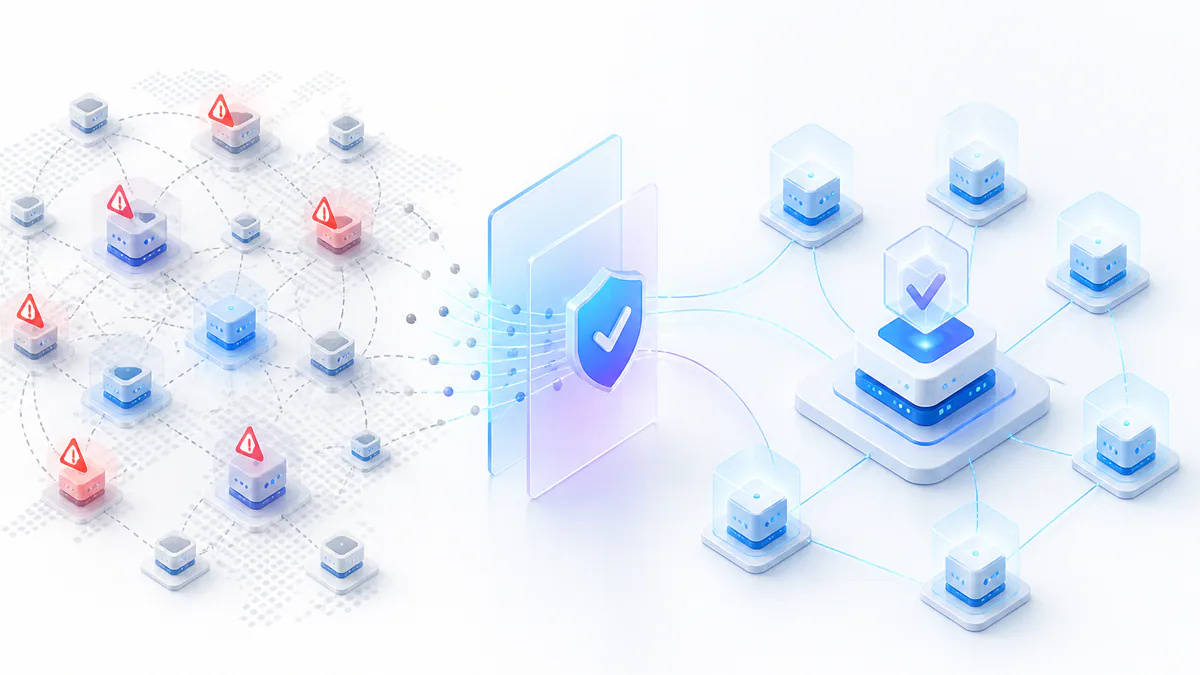
Free proxies let you browse the internet without showing your real IP address. They let you access content that is normally blocked and provide a way to keep your identity hidden. However, free proxies come with limits and risks.
Many free services offer slower speeds, lower security, and no customer support. In this guide, we explain what free proxies are, list their types, show safe ways to use them, and point out common pitfalls.
- Free proxies hide your IP address at no cost.
- They have risks like slow speed and weak security.
- Use them only for non-sensitive tasks.
What are Free Proxies?
Free proxies are internet servers that function as go-betweens for your computer or phone and the World Wide Web. They secure your web surfing while concealing your actual IP address.
Commonly, free proxies are used for bypassing geo-restrictions, accessing blocked websites, and protecting online privacy. They are often obtained from online proxy lists and can be used with any program that supports the HTTP or SOCKS5 protocol.
Key Features:
- Anonymity: Free proxies hide your real IP address, making your online activities harder to trace.
- Access: They allow you to bypass geo-restrictions and access blocked content.
- Availability: Free proxies are widely available through various online proxy lists.
Types of Free Proxies
There are several types of free proxies available. HTTP proxies support the HTTP protocol and are commonly used for web browsing. HTTPS proxies support secure web browsing over encrypted connections.
SOCKS5 proxies provide a high level of anonymity and work well with various applications. Transparent proxies do not alter the request or response and are often used for caching and content filtering. Public proxies are open for anyone to use, while paid proxies are offered by reliable providers and offer enhanced privacy and security.
Comparison of Proxy Types
Below is a table that compares different proxy types. The table outlines the protocol each supports, its common use case, and the level of anonymity provided.
Main Advantages:
- Clear overview of proxy features.
- Helps you choose the right proxy for your needs.
- Highlights differences in security and speed.
| Type | Protocol Supported | Use Case | Anonymity Level |
|---|---|---|---|
| HTTP Proxies | HTTP | Web browsing | Basic |
| HTTPS Proxies | HTTPS | Secure web browsing | High |
| SOCKS5 Proxies | SOCKS5 | High-anonymity applications | Very High |
| Transparent Proxies | HTTP/HTTPS | Caching, content filtering | None |
| Public Proxies | HTTP/HTTPS/SOCKS5 | Anonymous browsing | Varies |
| Paid Proxies | HTTP/HTTPS/SOCKS5 | Enhanced privacy and security | Very High |
Common Uses of Free Proxies
Free proxies serve many purposes. They allow users to access geo-blocked websites and bypass network filters. Proxy servers enable secure connections for accessing HTTPS sites.
Many users rely on free proxies for privacy when browsing or scraping web pages. Free proxies also allow you to test a service without paying upfront. Some users check website performance from various locations or verify content restrictions on streaming sites.
Main Advantages:
- Access geo-restricted content.
- Test online services without cost.
- Improve browsing privacy on low-risk tasks.
About Free Proxy Lists
Free proxy IP lists are collections of open proxy servers. These lists provide the IP address, port, and protocol for each server.
Some lists offer an API URL to simplify the retrieval of proxy information. They may also include the country of origin, which helps you select a proxy based on your requirements. Proxy lists are updated frequently, so dead or slow servers are quickly removed.
Key Features:
- Publicly available IP addresses and ports.
- Country details and protocol information.
- Regular updates and user reviews.
Finding a Reliable Free Proxy List
Finding a reliable free proxy list can be challenging, as many free proxies are not secure and may compromise online privacy. Look for proxy lists that update regularly to provide fresh proxies.
Check for HTTPS and SOCKS5 proxies since they offer higher security and anonymity. Transparent and public proxies are also options, but paid proxies generally provide better protection. Always verify the source and read user reviews before trusting a proxy list.
Related tool
Test public proxy options with the ProxyTitan free proxy list .
Tips for Finding Reliable Proxy Lists:
- Source Verification: Ensure the proxy list comes from a trusted source.
- User Reviews: Look for user ratings to gauge reliability.
- Testing Tools: Use tools to verify proxy speed and anonymity.
When to Use a Free Proxy Server
Free proxy servers are ideal for low-risk tasks. They work well for general browsing and for accessing content that does not require high speed or strong encryption.
Use free proxies when you need to bypass blocked websites or test a new tool without entering sensitive data. They are best suited for non-critical work where speed is secondary. Additionally, free proxies can help assess website performance across different regions.
Essential Elements:
- Suitable for non-sensitive browsing.
- Best for testing and casual use.
- Verify speed and anonymity before use.
Free SOCKS5 Proxies
SOCKS5 proxies are usually safer than basic HTTP proxies. They support email, peer-to-peer transfers, and web browsing while concealing your IP address more securely.
Although they offer better encryption, many free SOCKS5 proxies do not guarantee stable connections or fast speeds. They are better than simple free proxies for gathering data, but they may not perform well in high-demand situations.
Core Features:
- Support multiple types of traffic.
- Offer better encryption than HTTP proxies.
- May lack speed and consistent reliability.
Free vs. Paid Proxies
Free and paid proxies differ in several key areas. Paid proxies deliver higher speeds, more stable connections, and better security features. They also provide professional customer support and higher uptime.
Although free proxies cost nothing, they often suffer from slow speeds, frequent disconnections, and weak security. The following table summarizes these differences.
Most Important Points:
- Free proxies are cost-free but less reliable.
- Paid proxies deliver higher speeds and better security.
- Choose based on your specific needs.
| Aspect | Free Proxies | Paid Proxies |
|---|---|---|
| Cost | $0 | Subscription required |
| Speed | Slow, inconsistent | Fast, consistent |
| Security | Basic, possible logging | Strong encryption |
| Support | None or minimal | Dedicated customer care |
| Uptime | Unstable | High reliability |
Free Proxy Risks and Hazards
Free proxies can open the door to security threats. They might carry malware, enable phishing attacks, or intercept your data.
Often, free proxy services log user activity, and these logs can be sold to third parties or provided to authorities if required. Handle sensitive data with extra care when using free proxies.
Key Points:
- Free proxies can carry malware and phishing risks.
- They may log your activities and expose personal data.
- Always test and review safety ratings.
Privacy Considerations and Evaluating Proxy Safety
Free proxies are known to log user activities and can share this data with advertisers or third parties. Such practices jeopardize your privacy and may lead to targeted ads or worse.
Always read the privacy policy of any free proxy provider and use proxy-checking tools to verify anonymity. Check user reviews and ratings to ensure that the proxy meets your standards.
Proxy checker
Verify proxy status with the online proxy checker .
Essential Elements:
- Check privacy policies carefully.
- Use tools to verify anonymity.
- Rely on trusted sources and reviews.
Getting Free SOCKS5 Proxies
There are many free SOCKS5 proxies available online. These proxies offer higher security and support multiple types of traffic compared to basic HTTP proxies.
While they may not perform as well as paid options, they generally offer a better level of security. Users can try several free SOCKS5 providers to determine which one meets their needs.
Main Advantages:
- Free SOCKS5 proxies offer improved security.
- They support multiple traffic types.
- Test multiple sources for best performance.
How to Best Utilize Free Proxy Lists
To use free proxy lists effectively, keep your list updated by replacing dead proxies quickly. Use proxy-checking tools to measure speed and reliability.
First, find a trusted source. Then, verify that the proxy performs well. Finally, update your list frequently to ensure you always have a supply of tested proxies.
Primary Takeaways:
- Update proxy lists regularly.
- Test proxies for speed and anonymity.
- Avoid high-latency options for sensitive tasks.
How to Find and Setup Free Proxies
Finding free proxies requires using trusted websites and proxy lists. Start by visiting a reliable free proxy list site. Select a proxy that matches your needs based on its protocol and location.
Next, use a proxy-checking tool to test its speed and anonymity. Then, configure your browser or device settings with the proxy’s IP and port. Follow these steps carefully to ensure the proxy works as expected.
Essential Elements:
- Use trusted free proxy list sites.
- Test proxies before configuration.
- Update settings and proxy lists regularly.
The Pros and Cons of Free Proxies
Free proxies offer clear benefits and drawbacks. They cost nothing and provide basic anonymity, but they often deliver slower speeds and unstable connections.
Free proxies may expose your data due to weak security protocols, and there is a higher risk of IP bans and data logging. The table below summarizes the main differences between free and paid proxies.
Most Important Points:
- Free proxies are cost-free but less reliable.
- They offer basic anonymity at the expense of speed and security.
- Paid proxies are preferable for high-risk or sensitive tasks.
| Aspect | Free Proxies | Paid Proxies |
|---|---|---|
| Cost | $0 | Subscription required |
| Speed | Slow, inconsistent | Fast, consistent |
| Security | Basic, possible logging | High, encrypted |
| Support | None or minimal | Dedicated customer care |
| Uptime | Unstable | High reliability |
Free Proxy: The Safe Way to Have Fun, But Only If You Know How to Use It!
When using free proxies, keep tasks low-risk. Do not use them for transactions or for submitting sensitive data. Always test proxy performance before use.
Avoid entering passwords or personal details through free proxy sites. Keep your software updated with the latest security patches. For activities that require speed and strong encryption, consider switching to a paid proxy service.
Use free proxies only for casual browsing, content checking, or testing purposes to enjoy anonymity without exposing yourself to unnecessary risks.
Free Proxy FAQ
Need faster and safer proxy access?
Free proxies are useful for simple checks, but production workflows need stable routing, private authentication, better uptime, and predictable speed.